
About Course
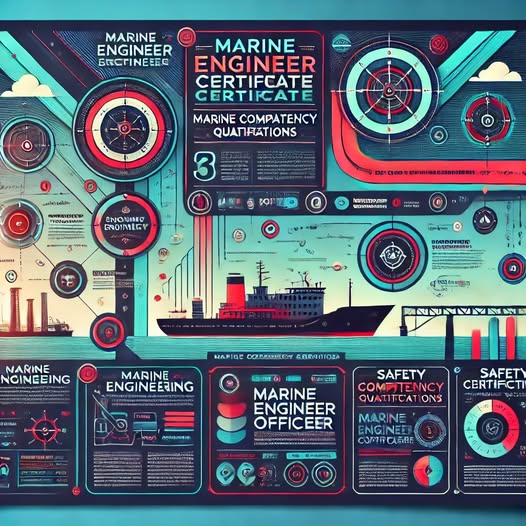
⚓ Marine Engineer Officer Certificate
For Marine Competency Certification
Code: 2019-MECH-Marine
📘 Introduction
This course is designed to prepare marine engineering professionals for obtaining internationally recognized Certificates of Competency (CoC) as Marine Engineer Officers. It equips participants with the necessary knowledge and hands-on skills to manage and maintain shipboard engineering systems safely and effectively in line with maritime regulations.
📝 Description
This intensive training course covers marine propulsion systems, power distribution, international safety conventions, fire safety, maritime legislation, and environmental protection standards. Through a blend of theory and simulation, participants are thoroughly prepared for the competency exams required by flag state maritime authorities.
🎯 Objectives
-
Prepare candidates for Marine Engineer Officer CoC exams.
-
Develop technical expertise in managing marine machinery and systems.
-
Understand international maritime safety and environmental regulations.
-
Build confidence for examination and real-world shipboard operations.
⚓ Marine Engineer Officer Certificate
Title: Certification Training for Marine Competency
🔹 Module 1: Fundamentals of Marine Engineering –
Topics Covered:
-
Types of Marine Propulsion Systems
-
Diesel propulsion, gas turbines, steam propulsion, hybrid systems
-
Comparison of propulsion technologies (efficiency, maintenance, emissions)
-
-
Ship Power Systems
-
Generators, switchboards, transformers
-
Load balancing and power management systems
-
-
Auxiliary Systems
-
Cooling systems, fuel systems, lubrication, bilge and ballast systems
-
Pumps and compressors operations
-
-
Operational Procedures
-
Routine engine room operations
-
Engine start-up and shutdown procedures
-
🔹 Module 2: Maritime Safety and Emergency Procedures
Topics Covered:
-
International Maritime Safety Standards (SOLAS)
-
Safety of Life at Sea Convention
-
Lifesaving appliances, fire detection and suppression systems
-
-
Fire Safety Engineering
-
Fire triangle and fire classes
-
Firefighting systems: CO₂, water mist, foam, dry chemical
-
-
Emergency Response
-
Abandon ship procedures
-
Man overboard response
-
Engine failure and blackout scenarios
-
-
Accident Prevention and Risk Management
-
Hazard identification (HAZID), risk assessments
-
Use of PPE and safety protocols onboard
-
🔹 Module 3: Maritime Law and Environmental Regulations
Topics Covered:
-
Navigation and Operational Law
-
COLREGs, UNCLOS basics
-
Flag state and port state control regulations
-
-
MARPOL Convention and Environmental Compliance
-
Oil discharge regulations, garbage management, SOx/NOx emission control
-
Ballast water treatment systems and environmental recordkeeping
-
-
STCW Convention
-
Standards of Training, Certification, and Watchkeeping
-
Watchkeeping duties and hours of rest
-
-
Case Studies on Maritime Incidents
-
Real-life examples of legal/environmental violations
-
Lessons learned and preventive measures
-
🔹 Module 4: Exam Preparation and Assessment –
Topics Covered:
-
Understanding CoC Requirements
-
Flag state requirements and application process
-
Oral exam preparation tips
-
-
Mock Exam Practice
-
Previous exam papers for Engineer Officer of the Watch (EOOW)
-
Multiple choice and problem-solving exercises
-
-
Technical Interview Preparation
-
Common questions and expected answers
-
Communicating technical decisions clearly
-
-
Creating a Professional Development Plan
-
Career path planning in marine engineering
-
Continuing Professional Development (CPD) documentation
-
🧰 Tools & Simulations Used
-
Marine Engine Room Simulator (MERS)
-
3D Safety & Emergency Drill Simulations
-
Environmental Compliance Monitoring Tools
-
Fire Safety Training Equipment
🕒 Course Duration
Total: 60 Hours
-
30 Hours Theoretical Lectures
-
30 Hours Practical Simulations and Workshops
📜 Upon Completion, You Will Be Able To:
-
Operate and troubleshoot marine engineering systems
-
Understand and comply with global maritime laws
-
Respond efficiently to emergencies at sea
-
Pass Marine Engineer Officer CoC exams
-
Demonstrate readiness for shipboard duties with confidence
📌 What You Will Learn
-
Fundamentals of ship engineering systems and propulsion
-
Marine power generation and distribution networks
-
SOLAS and MARPOL compliance for safety and environment
-
Emergency response procedures and firefighting systems
-
Maritime laws, navigation codes, and international conventions
-
Exam techniques, past papers, and mock testing
🎓 Target Audience
-
Marine engineering graduates seeking certification
-
Junior marine engineers aiming for operational-level CoC
-
Shipboard engineers preparing for promotion
-
Maritime professionals seeking refresher training
🧰 Materials and Tools
-
Ship system simulators (engine room, control systems)
-
SOLAS and MARPOL reference manuals
-
Interactive training materials and video tutorials
-
Mock exams and scenario-based exercises
👨🏫 Instruction Methods
-
Classroom lectures with multimedia presentations
-
Hands-on simulator training
-
Problem-solving workshops
-
Case studies and real incident analysis
-
Group discussions and collaborative activities
⏱️ Time Frame
Total Duration: 60 training hours
-
30 hours of theoretical instruction
-
30 hours of practical applications and shipboard simulations
🧩 Course Format
-
4 structured modules
-
Combination of instructor-led sessions and interactive labs
-
Weekly assessments and a final mock exam
-
Certificate of completion awarded upon meeting course requirements
🎯 Learning Outcomes
By the end of this course, participants will be able to:
-
Demonstrate practical knowledge of ship propulsion and power systems
-
Apply international marine safety and environmental standards
-
Respond effectively to emergencies onboard
-
Interpret and apply maritime legislation
-
Confidently approach the CoC exam and oral assessment
Course Content
Student Ratings & Reviews

