

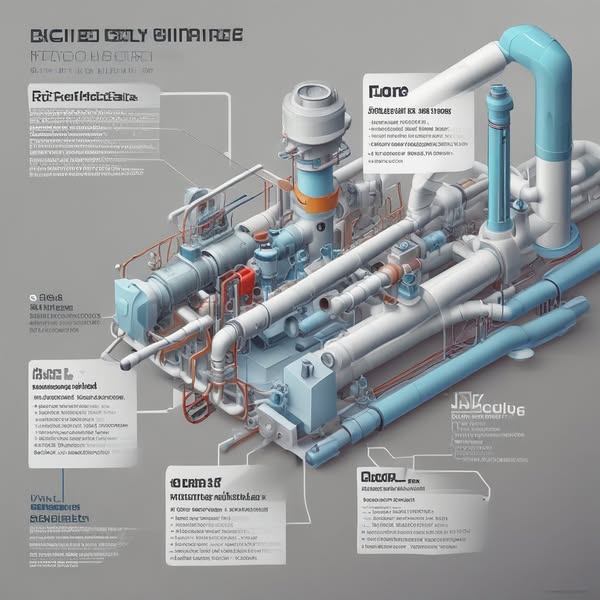
About Course
🩺 Medical Gas Pipeline System (MGPS)
Course Code: 2040-MECH
Duration: 4 Weeks | 12 Sessions | 2 Hours per Session
Format: Practical & Theoretical | On-site / Online
📘 Introduction
This course provides a comprehensive understanding of the design, installation, operation, and maintenance of Medical Gas Pipeline Systems (MGPS) used in hospitals and healthcare facilities. It focuses on both technical and safety aspects aligned with international standards.
📄 Description
Medical gas systems are critical in modern healthcare settings. Engineers and technicians working with MGPS must understand the different gas types, their sources, distribution systems, safety regulations, and maintenance procedures. This course offers hands-on insights and industry-recognized best practices for managing and maintaining these life-supporting systems.
🎯 Objectives
By the end of the course, participants will:
-
Understand the components and functions of a medical gas pipeline system
-
Identify and manage the different types of medical gases
-
Learn international standards for design and installation (NFPA 99, HTM 02-01)
-
Gain practical skills in system inspection, troubleshooting, and leak detection
-
Ensure compliance with safety and legal requirements
🧱 Course Outline (Week-by-Week)
Week 1: Introduction & System Components
-
What is an MGPS and why is it critical?
-
Core components:
-
Gas sources: Cylinders, liquid tanks
-
Pressure regulation systems
-
Terminal outlets and zone valves
-
-
Types of gases:
-
Oxygen (O₂)
-
Nitrous Oxide (N₂O)
-
Medical Air
-
Vacuum (suction)
-
Week 2: System Design & Installation
-
International codes: NFPA 99, HTM 02-01
-
Designing for optimal pressure, flow, and safety
-
Material selection: copper pipes, valves, fittings
-
Security and risk considerations during installation
Week 3: Maintenance & Troubleshooting
-
Preventive and scheduled maintenance
-
Leak detection methods and repair techniques
-
Gas purity tests and quality assurance
-
Emergency fault handling procedures
Week 4: Safety & Regulatory Compliance
-
Safety standards: OSHA, ISO 7396-1
-
Fire and explosion risk prevention
-
Emergency response training and evacuation
-
Legal compliance and certification requirements
🔧 Practical Activities
-
Field visits to hospitals (optional)
-
Workshops on system assembly and testing
-
Leak detection exercises using real-world tools
-
Hands-on pressure testing and system validation
🧠 What You Will Learn
-
End-to-end operation of a medical gas pipeline system
-
Installation techniques following global standards
-
How to troubleshoot and perform leak tests
-
Proper use of medical gas in critical environments
-
Safety practices and legal obligations in MGPS operations
👥 Target Audience
-
Biomedical engineers
-
Mechanical and electrical engineers
-
Hospital maintenance technicians
-
Health and safety officers in healthcare facilities
📦 Materials Provided
-
Training manual and design schematics
-
Access to digital simulation tools and worksheets
-
Checklists for inspection and maintenance
-
Certification preparation guide
🧑🏫 Instruction Methods
-
Interactive lectures with visual aids
-
Real-life case studies and hospital scenarios
-
Hands-on workshops and group exercises
-
Simulation-based learning for fault detection
⏱️ Time Frame
-
Total Duration: 24 hours
-
Schedule: 4 weeks
-
Sessions: 3 sessions/week, 2 hours/session
🎓 Learning Outcomes
Upon completion, participants will be able to:
✅ Design and interpret MGPS layout diagrams
✅ Conduct proper installation procedures
✅ Perform periodic maintenance and gas quality checks
✅ Detect faults and respond to emergencies
✅ Comply with international safety and medical standards
🏅 Certification
Participants will receive an Accredited Certificate in Medical Gas Pipeline Systems (MGPS) upon successful course completion and evaluation.
Course Content
🩺 Medical Gas Pipeline System (MGPS)
Student Ratings & Reviews

